Tips for Picking the Right Cast Iron Grill for You
Understanding Cast Iron Grills
Cast iron grills have long been a favored choice among culinary enthusiasts and outdoor cooking aficionados. Their roots can be traced back to ancient times when cast iron was first developed for cookware. Initially utilized for its excellent heat retention, cast iron quickly became a preferred material for grilling as it provided unparalleled cooking capabilities. Over the years, the popularity of cast iron grills persisted due to their durability and ability to produce consistent, high-quality results.
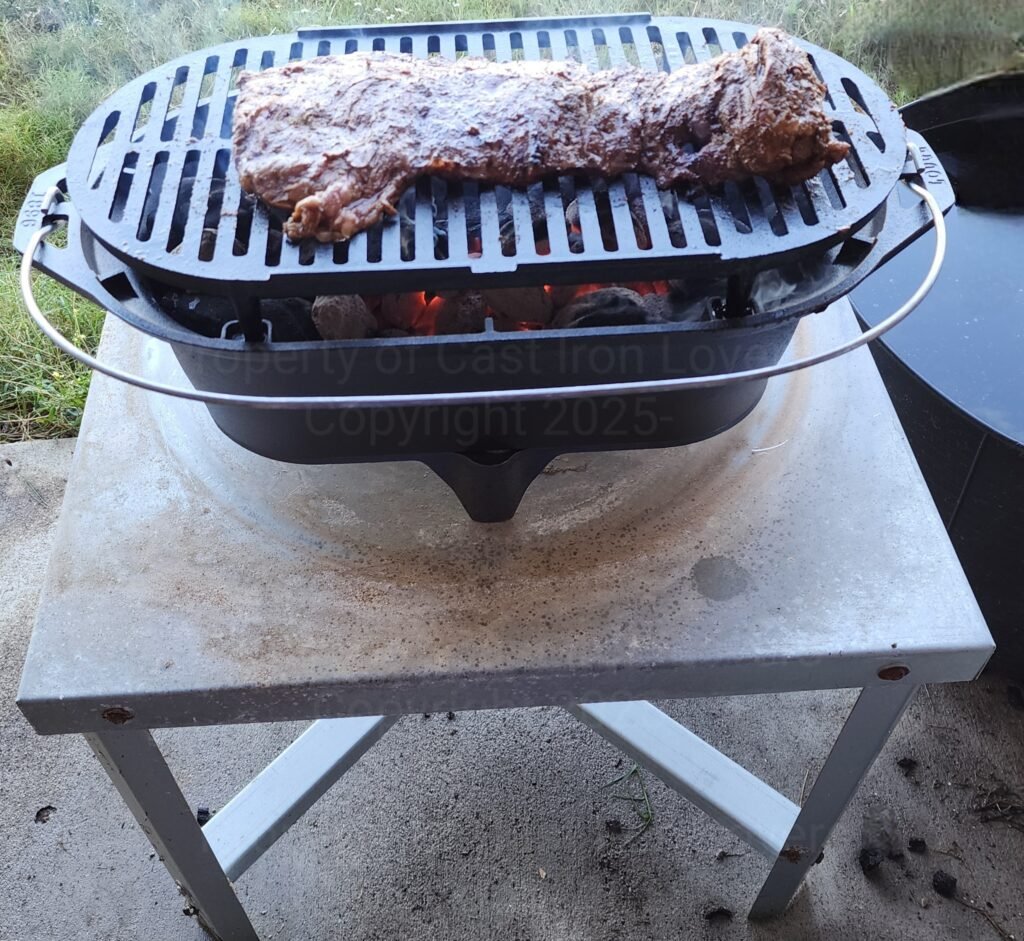
One of the defining characteristics of cast iron grills is their exceptional heat retention. Unlike other materials, cast iron heats evenly and retains that heat, allowing for optimal searing and browning of food. This property ensures that the grill maintains a stable temperature, providing a reliable cooking environment. Whether you are slow-cooking a brisket or searing steaks, cast iron grills deliver impeccable results that can enhance the natural flavors of your food.
Durability is another significant advantage of cast iron grills. Constructed from robust materials, these grills can withstand the rigors of outdoor use, including exposure to varied weather conditions. With proper care, a cast iron grill can last for decades, making it a worthwhile investment for anyone passionate about grilling. Furthermore, these grills develop a natural non-stick surface over time, which improves with each use, ensuring a better cooking experience.
The versatility of cast iron grills is equally noteworthy. They can be used for a wide range of cooking methods including grilling, baking, and roasting. This adaptability makes them suitable for various cuisines and cooking styles, enabling enthusiasts to experiment and perfect their grilling techniques. Overall, cast iron grills represent a combination of tradition, quality, and multifunctionality, making them an essential tool for any cooking enthusiast.
Types of Cast Iron Grills
When choosing the right cast iron grill, it is essential to understand the various types available, including griddles, grill pans, and full-sized outdoor grills. Each type offers unique advantages and is suited for different cooking methods.
First, griddles are versatile cooking surfaces that provide a flat area ideal for various dishes such as pancakes, eggs, and sandwiches. Their smooth texture ensures even heat distribution, which is crucial for achieving perfectly cooked meals. Griddles can be used on the stovetop or placed on a grill or open flame, making them adaptable for both indoor and outdoor cooking practices.
Next, grill pans offer a fantastic option for indoor grilling. Characterized by their raised ridges, these pans allow fats and juices from meats to drain away, providing healthier cooking options. Grill pans sear meats beautifully, creating those desirable char marks. They are also great for vegetables and can even be used for certain desserts, such as grilled fruit. When using a grill pan, it is beneficial to preheat the pan to ensure optimal results and to manage the cooking time carefully to prevent overcooking.
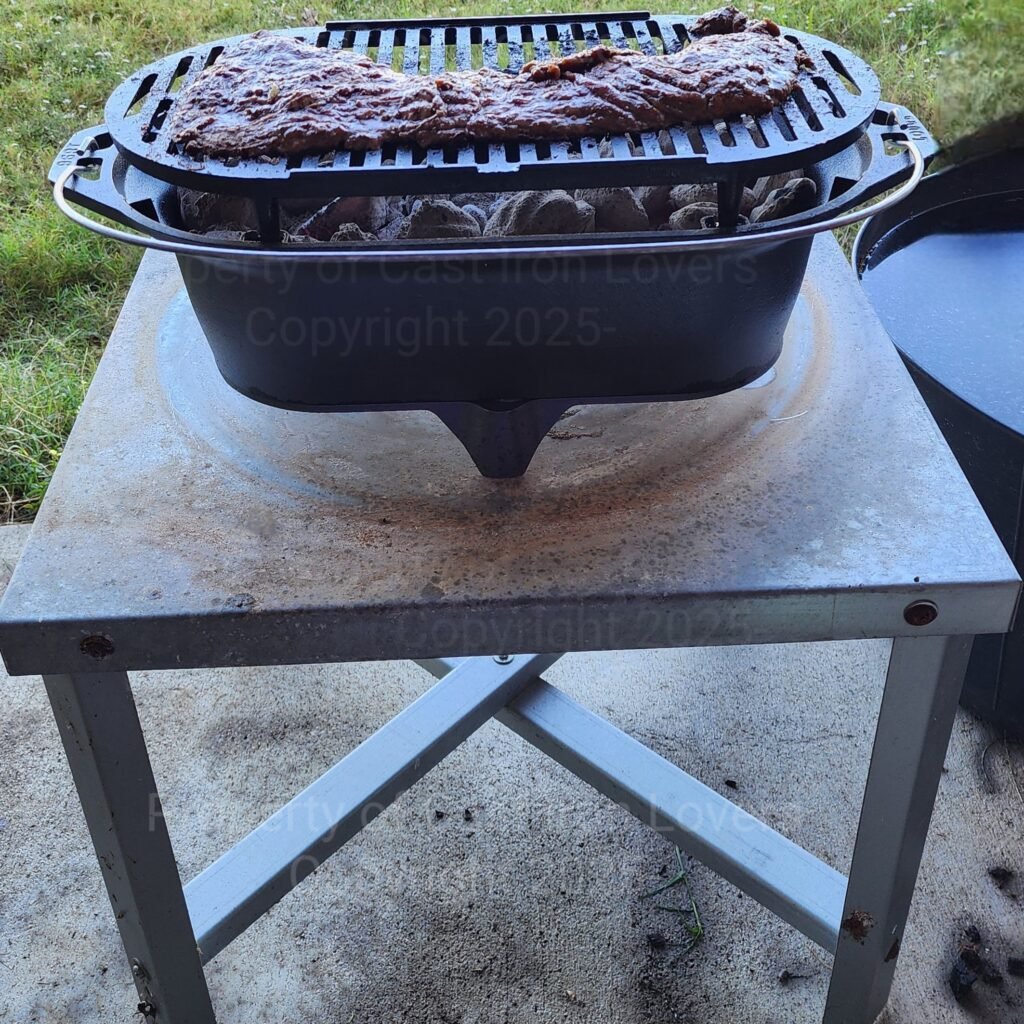
Finally, full-sized outdoor grills typify the essence of barbecue cooking. These grills, typically larger and designed for outdoor use, allow for cooking a wide array of foods, from steaks and ribs to vegetables and fish. Cast iron outdoor grills are known for superior heat retention and distribution, which enhances flavor through superior caramelization and smoke infusion. They often come with multiple cooking zones, enabling the simultaneous preparation of various dishes at different temperatures.
In essence, selecting the right type of cast iron grill greatly depends on individual cooking preferences and settings. Awareness of the different types available allows for better decision-making in enjoying the many benefits that cast iron grilling brings to culinary endeavors.
Size Matters: Choosing the Right Dimensions
When selecting a cast iron grill, understanding the appropriate dimensions is crucial for optimal functionality. The size of the grill should primarily reflect the number of individuals you typically cook for. For instance, if you are usually preparing meals for a small family of two to four members, a grill with a cooking surface of approximately 200 to 400 square inches is often sufficient. This size allows for ample cooking area without overwhelming your cooking space.
Moreover, for larger gatherings or entertaining purposes, a grill that offers 500 square inches or more may be warranted. This larger surface area provides the flexibility to prepare multiple items simultaneously, ensuring that everyone can enjoy their meal while it is still hot. It is also worth keeping in mind that additional accessories, such as griddles or cooktops, can further enhance versatility when cooking for larger groups.
The cooking space you have available plays a significant role in determining the size of the cast iron grill you should consider. A spacious backyard or patio can accommodate larger grills with ease. Conversely, if you have limited space, such as a small balcony or a compact kitchen, opting for a smaller grill may be wiser. Additionally, take into account storage options. Larger grills can be cumbersome to move and store, while smaller variants typically offer easier maneuverability and are less likely to take up excessive space.
With these considerations in mind, it is essential to select a grill size that aligns not only with your cooking needs but also with your available space and storage options. This approach ensures a satisfactory grilling experience tailored to your lifestyle and preferences.
Weight Considerations
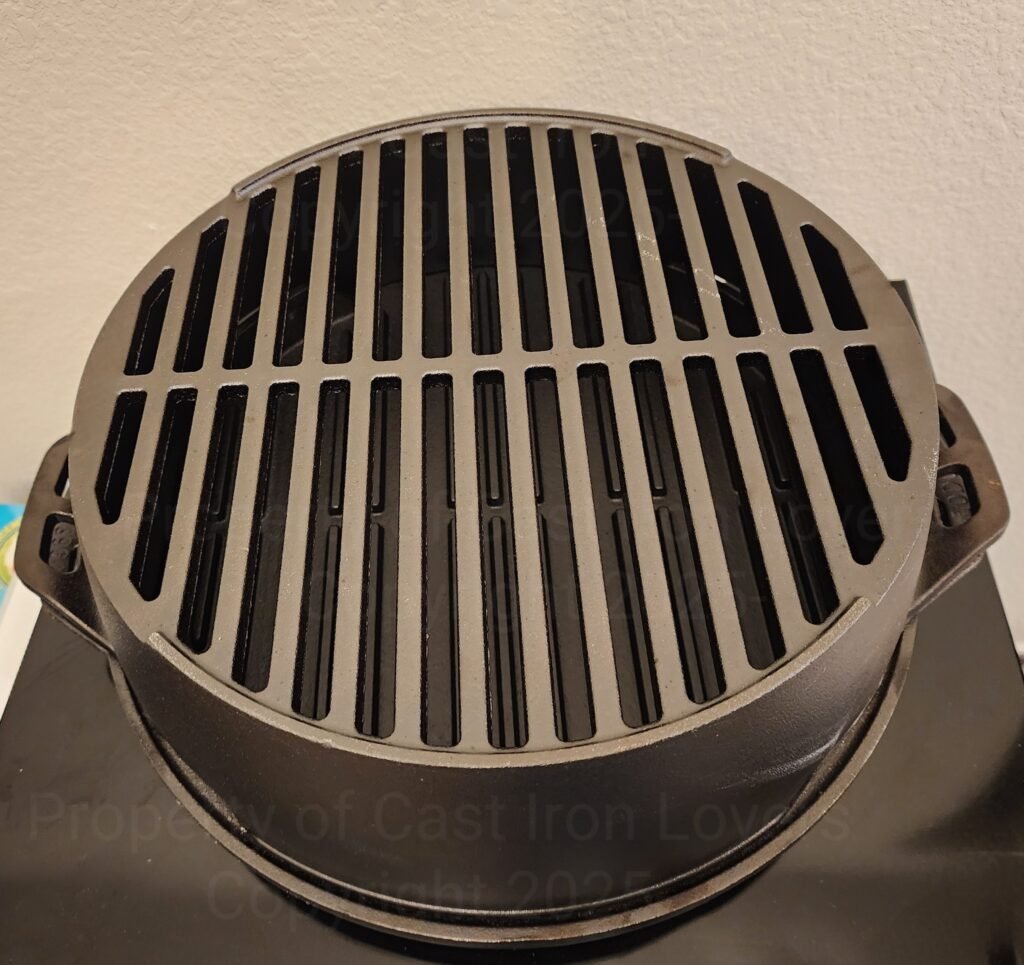
When selecting a cast iron grill, one of the most critical factors to consider is its weight. Cast iron is known for its excellent heat retention and durability; however, its weight can vary considerably based on the model and design. Typically, heavier cast iron grills tend to provide better heat distribution and stability while cooking, leading to improved grilling quality. This is particularly beneficial in achieving the perfect sear on meats or maintaining consistent temperatures across the grilling surface.
Conversely, lighter cast iron models often appeal to those who prioritize portability. For outdoor enthusiasts or individuals with limited storage space, a lighter grill can be a practical choice. These grills are generally easier to handle, move, and set up, making them well-suited for camping trips or tailgating events. However, it is essential to note that lighter grills may compromise some cooking performance, particularly when it comes to retaining heat during prolonged grilling sessions.
Durability is another aspect where weight plays a significant role. While heavier grills often signify a more robust construction, which can withstand the rigors of outdoor cooking, they may also present challenges in terms of mobility. If a grill is frequently moved, it is worth considering a balance between weight and material quality. Additionally, some manufacturers offer innovative designs that manage to be lightweight without sacrificing structural integrity, thus accommodating a wider range of user preferences.
Ultimately, your choice should align with your cooking style, frequency of use, and specific needs. Carefully considering the weight of cast iron grills will ensure that you invest in a product that complements your lifestyle and improves your grilling experience.
Cooking Surface & Finish
When selecting a cast iron grill, the type of cooking surface and finish is a crucial aspect to consider, as it can greatly influence both performance and maintenance. The two primary options available are enamel-coated and bare cast iron. Each has its unique characteristics, benefits, and potential drawbacks which can affect your grilling experience.
Enamel-coated cast iron grills feature a smooth, non-porous surface that is less reactive than bare cast iron. This finish provides a layer of protection against rust and other elements, making it easier to clean and maintain. Additionally, it helps retain heat evenly, which can result in more consistent cooking temperatures. The colorful enamel coatings also offer aesthetic appeal, allowing grill enthusiasts to choose designs that suit their style.
However, one key consideration is that enamel-coated surfaces can limit the development of a natural seasoning that occurs with bare cast iron. This seasoning enhances the flavor of the food and prevents sticking. While enamel still allows for excellent heat retention and distribution, it does not absorb flavors in the same way as bare cast iron. As a result, if you are particularly keen on the flavor enhancement that can develop over time through regular grilling with bare cast iron, you might want to explore that option.
Bare cast iron grills, on the other hand, require more diligent maintenance. They need to be seasoned regularly to create a non-stick surface and to prevent rust. While they demand more care, many chefs appreciate the depth of flavor that bare cast iron can impart to grilled dishes, as well as its durability. The choice between bare cast iron and enamel-coated surfaces ultimately comes down to personal preference, desired maintenance level, and flavor profile in cooking.
Price Point: Finding Your Budget
When considering the purchase of a cast iron grill, establishing a budget is paramount. Cast iron grills come in a range of prices, typically starting from as low as $30 for smaller, less durable models to upwards of $300 for premium brands that promise enhanced features, longevity, and performance. Understanding this price range is the first step in aligning your expectations with your financial capacity.
Several factors influence the cost of cast iron grills, including the brand reputation, manufacturing process, and additional features such as built-in thermometers or ergonomic handles. Brands with a longstanding history in grill manufacturing may command higher prices due to their commitment to quality and customer satisfaction. Additionally, grills that are seasonally treated or pre-seasoned may also come at a premium, as these processes enhance the grilling experience and reduce the initial maintenance required.
Furthermore, the size and style of the grill should be factored into your budget. Larger grills, which accommodate more food and advanced cooking methods, naturally cost more than smaller alternatives. If you plan to grill for a family or large gatherings, investing in a bigger, more durable model may be wise. Conversely, if your grilling needs are modest, a smaller model can effectively meet your requirements without straining your budget.
It’s also advisable to consider any additional expenses that may arise, such as maintenance supplies (like seasoning oils), grilling tools, or even delivery fees should you opt for a heavy grill. Weighing these factors can help you make a more informed purchasing decision, ensuring that you choose a cast iron grill that provides excellent value for the investment while adhering to your financial limits.
Brand Reliability and Reviews
When searching for the perfect cast iron grill, evaluating brand reliability is essential. Many manufacturers have established themselves within the industry, known for producing high-quality and durable equipment that can last for years. Reputable brands to consider include Lodge, Camp Chef, and Weber. These companies are renowned for their craftsmanship and commitment to customer satisfaction. For instance, Lodge has a long-standing history of producing cast iron cookware, and their grills are no exception, often praised for their solid construction and superior heat retention.
Similarly, Camp Chef offers a range of cast iron grill options known for their versatility and ease of use, making them suitable for both novice and experienced grillers. Weber is another industry leader, lauded for innovation and performance, ensuring that their cast iron models deliver an exceptional grilling experience. When investing in a grill, consider these brands as a starting point in your search.
In addition to brand reputation, customer reviews play a pivotal role in identifying the best grill for your needs. Online platforms, such as Amazon and manufacturer websites, often feature user testimonials that provide insights into real-world performance and durability. Pay attention to feedback that highlights both the strengths and weaknesses of specific models, as these can help you make an informed decision. Furthermore, expert recommendations from grilling enthusiasts and culinary professionals can add significant value to your evaluation process. Many grilling forums, blogs, and culinary websites provide comparative analyses and insights into various grills, assisting you in your selection.
Maintenance and Care Tips
To ensure the longevity and optimal performance of your cast iron grill, proper maintenance and care are essential. These practices include effective cleaning, routine seasoning, and appropriate storage.
Cleaning your cast iron grill is fundamental after each use. It is advisable to avoid harsh soaps, as they can strip the grill of its natural seasoning. Instead, utilize warm water and a stiff brush to scrub off any residue. For stubborn food particles, a paste of water and coarse salt can be an effective scrubbing agent. Once cleaned, dry the grill thoroughly immediately to prevent rust, as cast iron is susceptible to moisture damage.
Seasoning is crucial in maintaining a non-stick surface and protecting the iron itself. After cleaning, apply a thin layer of cooking oil, such as vegetable or flaxseed oil, to the grill. This process creates a protective layer on the iron, enhancing its durability and performance. It is recommended to season the grill regularly, especially after intensive use, to maintain its non-stick capability and prevent corrosion.
Storage is another critical aspect of cast iron grill care. Always ensure that the grill is completely dry before storing it to minimize the risk of rust formation. If possible, store the grill in a dry, cool place, free from excessive humidity. Some enthusiasts recommend placing a paper towel inside the grill to absorb any moisture that may accumulate during storage. Additionally, avoid stacking other heavy cookware on top of your grill, as this can lead to damage.
In conclusion, by following these maintenance tips, including effective cleaning, regular seasoning, and proper storage, you can ensure that your cast iron grill remains functional and in excellent condition for years to come. This level of care not only extends the grill’s lifespan but also enhances your grilling experience.
Conclusion
Choosing the right cast iron grill is a decision that requires careful consideration of various factors that align with your cooking habits and lifestyle. First and foremost, assess how you intend to use the grill. If you envision frequent barbecues or outdoor gatherings, opting for a larger grill might be beneficial to accommodate multiple dishes and guests. Conversely, if your cooking needs are more modest, a smaller model may suffice.
Additionally, the weight and portability of the cast iron grill should be factored into your decision. Heavier models may provide better heat retention and even cooking, making them ideal for serious cooks, but they can be challenging to transport. If you plan to use your grill at different locations, a lighter option with wheels might be more suitable.
The maintenance and care required for a cast iron grill should also influence your choice. Some grills come pre-seasoned and are designed for low maintenance, while others may require regular oiling and seasoning to prevent rust and maintain quality. Understanding your willingness to commit to these tasks can guide you toward the right option.
Lastly, consider your personal preferences regarding features such as adjustable heat settings, griddle versatility, or ease of cleaning. Evaluating these elements will lead you to a grill that not only meets your culinary needs but also complements your lifestyle. By thoughtfully analyzing these key aspects, you can ensure a well-informed decision that enhances your grilling experience for years to come.