
Sizzling Delights: The Best Meals You Can Cook on a Hibachi Grill
Introduction
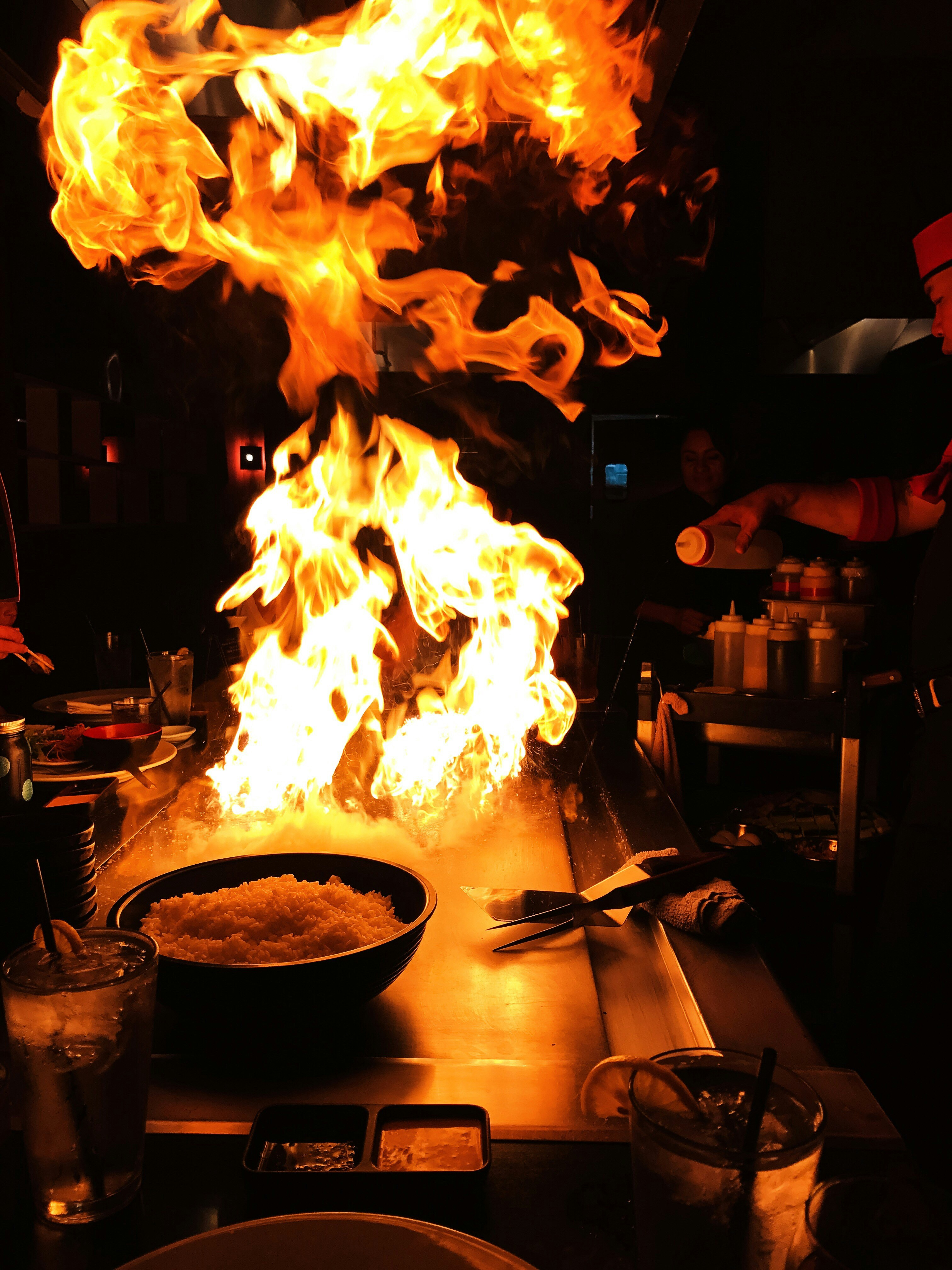
The hibachi grill, with its origins deeply rooted in traditional Japanese cuisine, exemplifies a culinary method that brings people together. Originally used for heating homes, the hibachi grill has evolved into a popular cooking appliance, celebrated for its unique ability to infuse flavors into a variety of dishes. The appeal of hibachi grilling lies not only in its utility but also in the communal experience it fosters during outdoor cooking. As families and friends gather around the sizzling grill, the atmosphere becomes charged with anticipation and excitement, turning mere meals into unforgettable experiences.
One of the most attractive attributes of hibachi grills is their versatility, enabling the preparation of a wide array of meals. From succulent meats to vibrant vegetables, the options are nearly limitless. This cooking method encourages creativity, allowing individuals to explore diverse recipes, experiment with flavors, and cater to various dietary preferences. The quick and high-heat cooking style not only seals in the juices and flavors but also creates visually appealing dishes, enhancing the enjoyment of dining.
As we embark on a journey through some of the best meals that can be cooked using a hibachi grill, we’ll discover the incredible variety it offers. We aim to inspire you to embrace the joy of hibachi cooking, whether you are an experienced griller or a novice eager to learn. With an array of delectable dishes, from sizzling seafood to tender, flavorful chicken, there’s something to tantalize every palate, ensuring that your outdoor gatherings remain vibrant and memorable.
The Basics of Cooking on a Hibachi Grill
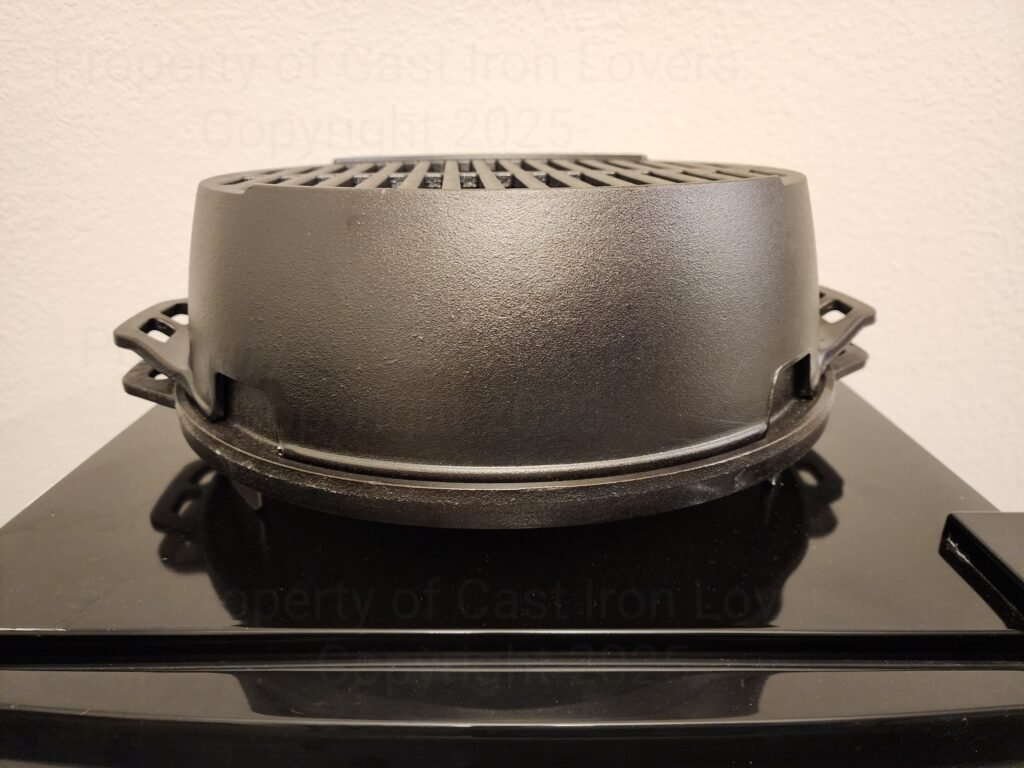
Cooking on a hibachi grill is an enjoyable experience that combines tradition with a flavorful approach to grilling. A hibachi grill is typically characterized by its compact size and simple design. Originally originating in Japan, these grills are usually made of cast iron, which retains heat and allows for excellent heat distribution. The open flame and direct heat afforded by hibachi grills can cook a variety of ingredients quickly, making it a popular choice for outdoor cooking enthusiasts.
One of the key features of hibachi grills is their flexibility in fuel sources. Traditional hibachi grills use charcoal, which gives food a distinct smoky flavor. However, some models also allow for the use of propane or natural gas, depending on the grill’s design. When using charcoal, it is vital to ensure proper ventilation and safety measures to avoid build-up of carbon monoxide, especially in enclosed spaces.
To prepare your hibachi grill for cooking, start by cleaning the grill grates to remove previous residue. Once clean, it is advisable to preheat the grill. If you are using charcoal, arrange the briquettes in a pyramid shape and light them, allowing them to ignite and form an even layer of gray ash. This usually takes about 20-30 minutes. If you opt for a gas hibachi, simply turn on the burners and ignite it according to the manufacturer’s instructions.
Maintaining your hibachi grill is essential for optimal performance. Regular cleaning after each use will prevent food buildup and enhance the lifespan of the grill. Additionally, periodically check fuel sources and the condition of the grill’s exterior to ensure safety while cooking. A well-maintained hibachi grill can provide many delicious meals, bringing a unique culinary experience to your outdoor gatherings.
Traditional Hibachi Favorites
Hibachi grilling, a time-honored culinary technique rooted in Japanese tradition, offers a diverse array of flavors crafted from high-quality ingredients. Among the standout dishes are teriyaki chicken, shrimp, and vegetable stir-fry, each celebrated for its unique flavor profile and preparation methods.
Teriyaki chicken is a quintessential dish often prepared on hibachi grills. This dish begins with marinating tender chicken pieces in a delightful teriyaki sauce, derived from soy sauce, sake, mirin, and sugar. Once marinated, the chicken is grilled to perfection, allowing the heat to caramelize the sauce, creating a glossy and flavorful exterior. The marriage of sweet and savory flavors, combined with the smokiness from the open flame, elevates the dish, making it a staple in hibachi cooking.
Shrimp is another popular option for hibachi grill enthusiasts. Typically seasoned simply with salt, pepper, and a dash of lemon, shrimp cooks quickly on the hibachi, providing a tender and juicy protein option. Often, chefs employ a technique known as the “flipped shrimp” where a piece of grilled shrimp is tossed into the air, creating a fun and interactive dining experience. Often served alongside garlic butter, the combination enhances the natural sweetness of the shrimp, making each bite truly delectable.
Vegetable stir-fry also shines in the hibachi repertoire, highlighting seasonal vegetables such as bell peppers, zucchini, and mushrooms. A light toss in sesame oil, along with soy sauce, accentuates the vegetables’ natural flavors while allowing them to retain their crispness. Hibachi chefs artfully maneuver their spatulas to achieve a perfectly cooked stir-fry, making this dish not only nutritious but visually appealing as well.
Steak and Sizzle: Perfecting Meat on the Hibachi
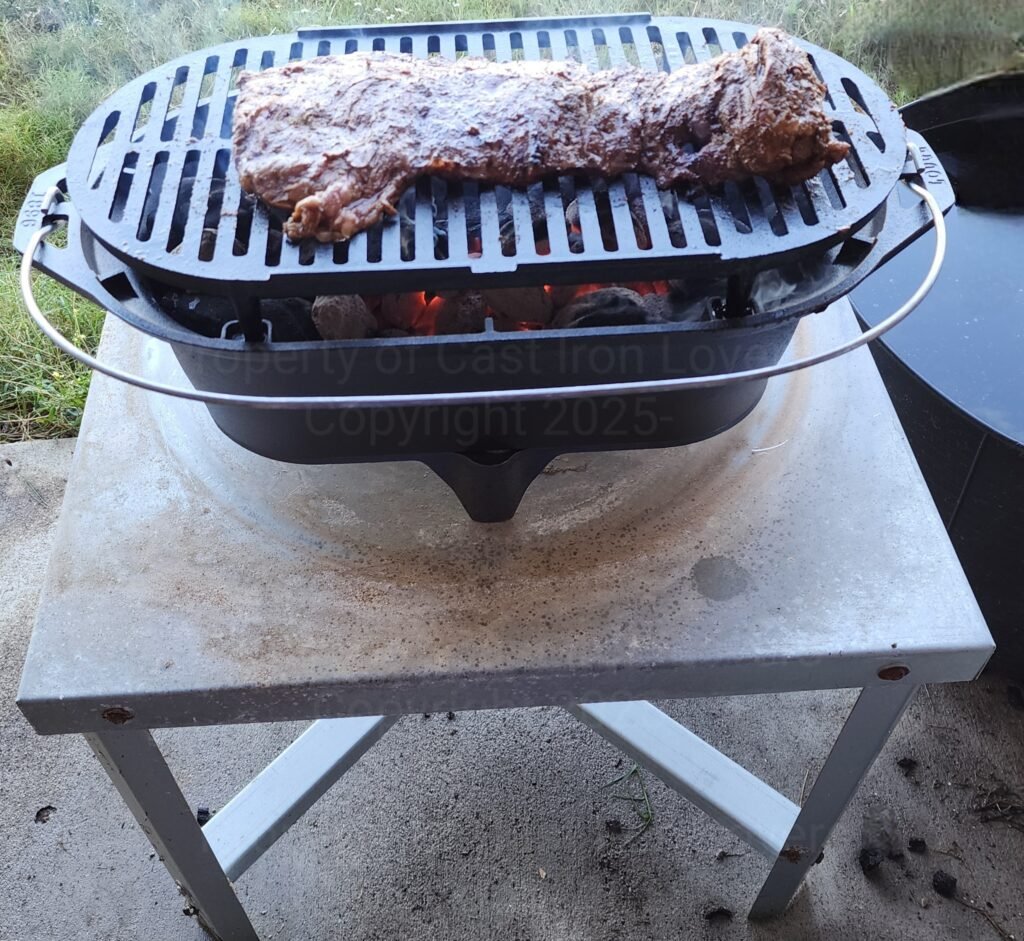
Grilling steak on a hibachi grill offers a unique opportunity to achieve exceptional flavor and texture through high heat and direct contact with the grill. To begin, selecting the right cut of meat is crucial. Ribeye, sirloin, and filet mignon are popular choices due to their marbling and tenderness. A well-marbled steak will yield a juicier result after grilling.
One of the essential techniques for enhancing flavor is marination. A simple marinade can include soy sauce, garlic, and a splash of sesame oil. Marinate the steak for at least one hour to allow the flavors to penetrate while also tenderizing the meat. Alternatively, a dry rub made of spices such as garlic powder, onion powder, and black pepper can provide a flavorful crust.
When it comes to grilling, preheating the hibachi grill is vital for achieving that perfect sear. Aim for a temperature of around 450°F to 500°F. Place the steak directly on the grill grate and resist the urge to move it around; allow it to cook undisturbed for several minutes, creating a beautiful crust. For medium-rare doneness, flip the steak once and cook it until it reaches an internal temperature of 135°F, which can be easily monitored using a meat thermometer.
After grilling, resting the steak is an important step often overlooked. Allow the cooked meat to rest for 5 to 10 minutes; this will enable the juices to redistribute throughout the steak, ensuring a more succulent end result. Slicing against the grain will further enhance tenderness, making each bite delightful.
Vegetarian and Plant-Based Options
Hibachi grilling is not just for meat lovers; it offers an excellent platform for preparing delicious vegetarian and plant-based meals that can impress anyone at the dining table. One of the standout options is grilled tofu, which absorbs flavors beautifully, providing a satisfying texture and taste. Begin by pressing firm tofu to remove excess moisture. Then, marinate it in a mixture of soy sauce, balsamic vinegar, garlic, and a hint of maple syrup for a sweet-savoury balance. Allow it to soak up the marinade for at least 30 minutes before grilling it on your hibachi for approximately five minutes on each side until golden brown.
Assorted seasonal vegetables also shine on a hibachi grill. Consider bell peppers, zucchini, mushrooms, and asparagus as your grilling staples. For enhanced flavor, toss the vegetables in a blend of olive oil, salt, pepper, and your choice of herbs such as rosemary or thyme. Spread them evenly on the grill and let them cook until they are tender and slightly charred, usually around 10 minutes. The key is to keep turning them to avoid burning while ensuring they are cooked through and infused with smoky goodness.
A popular choice among vegetarians is kebabs, allowing for versatile combinations. Create colorful skewers using chunks of vegetables like cherry tomatoes, onion, and eggplant, interspersed with marinated tofu or tempeh cubes. A simple marinade could consist of soy sauce, ginger, and a splash of sesame oil for depth of flavor. Grill these kebabs for approximately 12-15 minutes, turning regularly to ensure even cooking. This vibrant dish not only looks appealing but lends a delicious twist to your hibachi experience.
Seafood Sensations: Grilling Fish and Shellfish
Grilling seafood on a hibachi grill presents a delightful opportunity to achieve smoky flavors and a unique texture. The size and design of a hibachi grill make it particularly suitable for cooking fish, shrimp, and scallops. The intense heat allows for quick cooking, ensuring the seafood remains tender and flavorful.
When preparing fish for grilling, freshness is key; opt for fillets that are bright in color and have a mild ocean scent. Fatty fish such as salmon and mackerel hold up well on the grill due to their higher oil content, while leaner options like tilapia and flounder may require careful monitoring to prevent overcooking. Typically, fish should be grilled for approximately 6 to 8 minutes per side, depending on the thickness of the fillet. A good rule of thumb is to cook fish until it flakes easily with a fork.
Shrimp are another excellent choice for hibachi grilling. They cook quickly, usually requiring just 2 to 3 minutes per side. For optimal taste, consider marinating shrimp in a mixture of olive oil, garlic, lemon juice, and fresh herbs for about 30 minutes before grilling. This not only enhances flavor but also helps keep them juicy during the grilling process.
Scallops, known for their sweetness, can be grilled effectively if they are not overcrowded on the grill; this allows for even cooking. Like shrimp, they should be seasoned simply, perhaps with salt, pepper, and a splash of citrus, and grilled for about 2 to 3 minutes on each side until they are golden brown and opaque in the center.
Ultimately, grilling seafood on a hibachi can elevate your culinary experience, offering an array of flavors while allowing for creativity in seasoning and presentation. Always remember to cook seafood to the right temperature and serve promptly for the best dining experience.
Adding Flavor: Sauces and Marinades for Hibachi Cooking
In hibachi cooking, the significance of sauces and marinades cannot be overstated. These flavor-enhancing ingredients not only elevate the taste of grilled meats, vegetables, and seafood but also play a vital role in tenderizing the proteins, resulting in succulent meals. Traditional Japanese sauces, such as teriyaki sauce, soy sauce, and ponzu, are staples in hibachi cuisine. Each sauce lends a unique flavor profile that complements the natural tastes of the ingredients used.
One classic recipe for teriyaki sauce involves combining soy sauce, sake, mirin, and sugar in equal ratios, then simmering until slightly thickened. This sweet and savory blend is perfect for marinating chicken or beef, imparting rich flavors that caramelize beautifully on the grill. Ponzu sauce, on the other hand, offers a zesty citrus kick. Made from soy sauce, citrus juice, vinegar, and a hint of dashi, it’s an excellent finishing sauce for grilled fish and vegetables, adding a refreshing brightness to the dish.
For those looking to innovate, consider creating a spicy miso marinade for an added punch. By blending miso paste, rice vinegar, sesame oil, and a touch of chili paste, you create a robust marinade ideal for shrimp or scallops. This alternative adds complexity without overpowering the dish’s original texture and taste. Additionally, a ginger-soy glaze can be drizzled over grilled vegetables, combining the warmth of ginger with the umami essence of soy, heightening the overall flavor experience.
Ultimately, the versatility of sauces and marinades transforms hibachi cooking into an artistic culinary journey. By experimenting with traditional recipes and inventive creations, you can significantly enhance the enjoyment of meals prepared on your hibachi grill.
Side Dishes: Complementing Your Hibachi Meal
Enhancing your hibachi meal with well-chosen side dishes can elevate the overall dining experience. Popular options include rice, edamame, and Asian slaw, each offering distinct flavors and textures that complement the savory grilled dishes.
Rice is a staple that pairs seamlessly with hibachi meals. For an authentic touch, consider preparing fried rice directly on the hibachi grill. Cooked jasmine or short-grain rice can be sautéed with vegetables such as carrots, peas, and onions. A dash of soy sauce, sesame oil, and scrambled eggs adds depth to the dish. Allowing the rice to achieve a slightly crispy texture on the grill can also enhance its flavor, making it a perfect accompaniment to your grilled proteins.
Edamame, steamed or grilled, presents another nutritious option. Its bright green color and delightful crunch provide a pleasing contrast to the cooked meats. Simply toss the edamame pods with a sprinkle of sea salt after cooking, or for a more adventurous twist, marinate them in garlic, soy sauce, and a touch of sesame oil before grilling for added flavor. This legume is not only healthy but also an excellent finger food that guests will enjoy.
Asian slaw is another fantastic side dish to prepare. Combining thinly sliced cabbage, carrots, and bell peppers with a tangy sesame dressing creates a refreshing palate cleanser that balances the richness of hibachi meals. Adding ingredients like cilantro, green onions, or sesame seeds can enhance the dish’s aroma and visual appeal. Preparing the slaw in advance allows the flavors to meld, resulting in a deliciously vibrant dish.
Incorporating these side dishes into your hibachi cooking repertoire not only diversifies the meal but also offers a colorful display on your dining table. Whether you prefer the heartiness of fried rice, the simplicity of edamame, or the crispness of Asian slaw, each side will contribute to a well-rounded hibachi experience.
Final Thoughts: Enjoying Your Hibachi Experience
The hibachi grill is not only a cooking instrument but also a conduit for social interactions, allowing friends and family to bond over delicious meals prepared right before their eyes. The experience of cooking on a hibachi grill brings an element of excitement and engagement, as the sizzle of meats and vegetables fills the air. This dynamic cooking style encourages individuals to gather around the grill, fostering conversation and laughter while the chef showcases their skills.
When engaging in hibachi grilling, the potential for creativity is virtually limitless. Home cooks can experiment with a wide variety of ingredients, from classic choices like steak, fish, and shrimp to unique vegetables and rice dishes. Infusing personal touches, such as different marinades, sauces, or seasonings, allows each cooking experience to be distinct. This aspect of cooking not only satisfies the palate but also ignites the imagination, inviting anyone to unleash their culinary flair.
Moreover, the hibachi grill serves as a social centerpiece, transforming an ordinary meal into an engaging culinary event. The interactive nature of grilling enables guests to participate as they select their ingredients and even assist in the cooking process. This not only heightens the enjoyment of the meal but also strengthens relationships, as shared experiences often create lasting memories.
In essence, the hibachi experience is about more than just the food; it is about creating a lively atmosphere filled with joy and camaraderie. As readers explore their hibachi grill, they are encouraged to embrace the creativity of cooking and the socialization that accompanies it. The end result will surely be delightful meals complemented by cherished moments with loved ones, making every grilling session a memorable affair.