
Savor the Flavor: The Benefits of Outdoor Grilling on a Cast Iron Grill
Introduction to Outdoor Grilling and Cast Iron Grills
Outdoor grilling has become a cherished tradition for many, serving as a gateway to culinary creativity and social interaction. As a favored cooking method, grilling not only provides an opportunity to enjoy delicious meals but also fosters a sense of community during gatherings. The aroma of grilled food wafting through the air often signifies the start of summer barbecues, family reunions, and festive celebrations, highlighting the cultural significance of this cooking style across various regions.
Among the many grilling options available, cast iron grills hold a special place in the hearts of grilling enthusiasts. Renowned for their ability to retain and distribute heat evenly, cast iron grills create an exceptional cooking experience. The history of cast iron grilling is rich, dating back to the 18th century when cast iron cookware first appeared. Initially used for stovetop cooking, it wasn’t long before these versatile tools transitioned to outdoor grilling, demonstrating their flexibility and durability.
Grill makers have embraced the unique benefits of cast iron, leading to the development of cast iron grills that stand out in both performance and taste. The heavy material not only allows for better heat retention but also contributes to the distinctive flavor profile that is often sought after when grilling meats and vegetables. The natural non-stick surface that develops with proper seasoning further enhances the grilling experience, making cleanup easier and preserving the integrity of the food being prepared.
In addition to their functional advantages, the aesthetic appeal of cast iron grills cannot be disregarded. They exude a classic charm that complements outdoor settings, making them a favored choice for many grillers who appreciate both performance and style. As outdoor grilling continues to flourish, the popularity of cast iron grills remains steadfast, solidifying their position as a top choice among culinary enthusiasts.
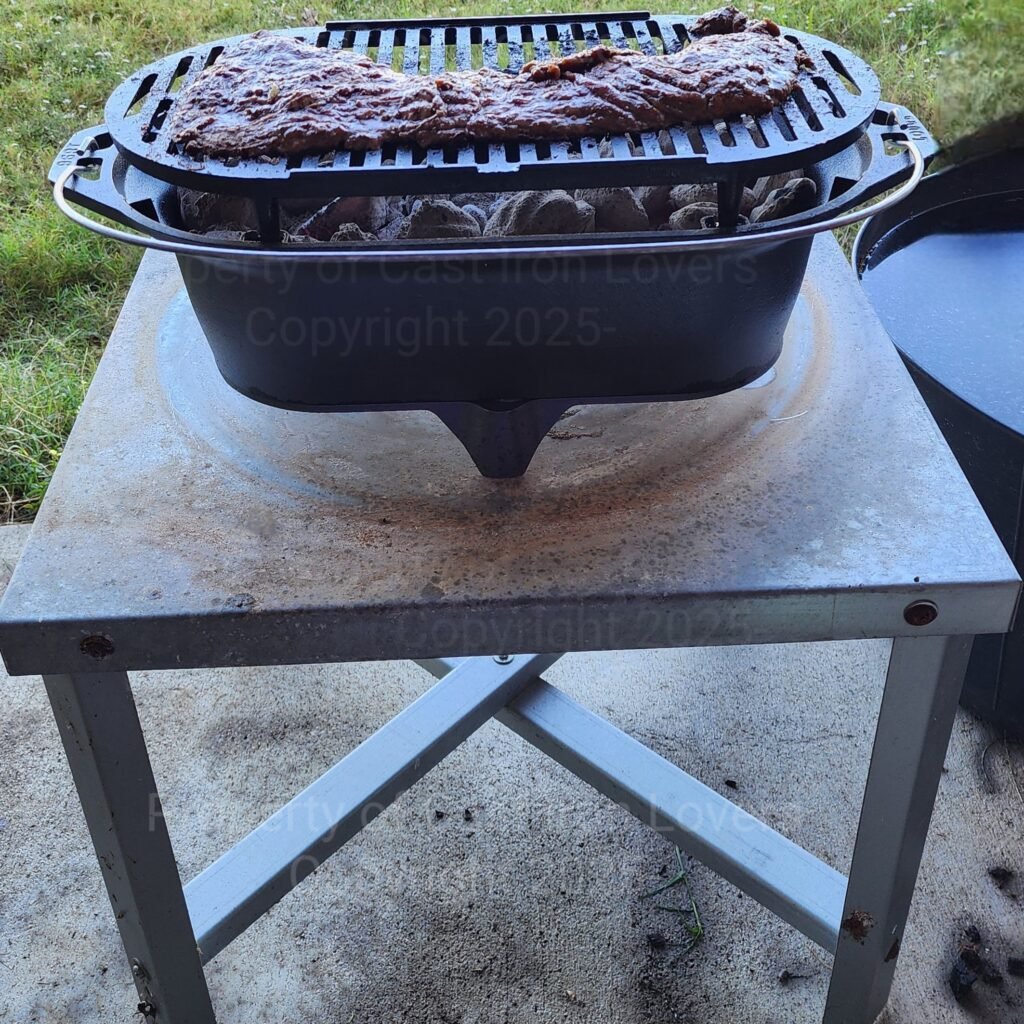
Enhanced Flavor Profile: The Magic of Cast Iron
When it comes to outdoor grilling, few materials rival the performance of cast iron. Renowned for its remarkable heat retention and distribution abilities, cast iron grills offer a unique cooking experience that can significantly enhance the flavor profile of grilled foods. This robust material can reach high temperatures quickly and maintain consistent heat throughout the cooking process, allowing for even cooking and perfect searing.
One of the standout features of cast iron is its capacity to create an exceptional smoky flavor. This is largely due to the way it absorbs and retains heat, creating a conducive environment for the Maillard reaction—an essential chemical reaction that occurs when proteins and sugars in food are subjected to heat. This reaction not only contributes to the appealing browning of grilled meats but also enhances taste by developing complex flavor compounds. Consequently, foods grilled on cast iron can achieve a unique depth of flavor that is often lacking when using lighter, less effective materials.
The porous nature of cast iron further aids in building flavor depth over time. Each grilling session can add a layer of seasoning to the grill, enhancing the taste of subsequent meals. As the grill ages, it becomes more seasoned, adding a distinctive character to every dish prepared. This patina, developed through multiple uses, act as a natural non-stick surface while infusing foods with subtle flavor nuances, creating a unique grilling experience.
Ultimately, the blend of even heat distribution, high-temperature capacity, and the ability to foster the Maillard reaction makes cast iron grills a staple for those looking to elevate their outdoor cooking. The potent combination of these factors results in flavorful grilled foods that not only satisfy the palate but also do justice to the art of grilling.
Durability and Longevity of Cast Iron Grills
When it comes to outdoor grilling, the choice of grill plays a vital role in the overall cooking experience. Cast iron grills are often favored due to their exceptional durability and longevity compared to other materials available in the market. Cast iron, a historically significant material in cookware, possesses unique properties that enhance its lifespan, ensuring that it withstands the test of time.
The composition of cast iron allows it to endure high temperatures, making it suitable for grilling at various heat levels without deforming or losing its shape. Unlike stainless steel or aluminum grills, which may warp, break, or corrode over time, cast iron maintains its integrity even after prolonged exposure to harsh elements. This resilience is particularly beneficial for outdoor grilling, where weather conditions can often take a toll on less robust materials.
In addition to its strength, cast iron also benefits from a natural non-stick surface after proper seasoning. This feature not only enhances the flavor of grilled foods but also minimizes wear and tear that could occur from scraping or excessive cleaning. The accumulative layer of seasoning develops over time, further protecting the grill from rust and deterioration.
Moreover, unlike some modern grilling alternatives that may have a limited lifespan, cast iron grills can last for generations if maintained properly. Their ability to withstand thermal shock, combined with routine upkeep, means that regular users of cast iron grills can expect them to become an integral part of their outdoor cooking routine for years to come.
Overall, investing in a cast iron grill is a decision rooted in practicality. Its durability and longevity, coupled with the known benefits of cast iron cooking, make it a smart choice for anyone serious about outdoor grilling.

Healthier Cooking Options with Cast Iron Grills
Utilizing cast iron grills for outdoor cooking offers several health benefits that enhance both the preparation and consumption of meals. One of the most significant advantages of grilling is its ability to promote healthier cooking methods. This outdoor technique allows excess fats to drip away from the food during the cooking process, resulting in lower fat content without sacrificing flavor. By reducing the amount of grease and oil that collect with other cooking methods, grilling not only contributes to a leaner meal but also encourages healthier dietary choices.
In addition to the reduction of fats, cooking with cast iron can impart essential minerals into the food. When food is cooked on cast iron cookware, trace amounts of iron can leach into the food, providing a natural source of this essential mineral. Iron is crucial for various bodily functions, including oxygen transport and energy production. This unexpected benefit adds an extra layer of nutritional value to your grilled meals, potentially aiding those who may be iron-deficient.
Moreover, cast iron grills heat evenly and retain heat well, leading to more efficient cooking. This even distribution of heat ensures that foods are cooked thoroughly without degrading their nutritional integrity. It is also worth noting that grilling can enhance the taste of fruits and vegetables, encouraging their inclusion in meals. By adopting grilling as a primary cooking method, individuals can embrace a lifestyle that prioritizes health while also enjoying a wide variety of flavors and textures.
In summary, incorporating cast iron grills into outdoor cooking routines promotes healthier culinary practices. By reducing fat content, enhancing nutrient intake, and ensuring even cooking, cast iron grilling stands out as a beneficial choice for health-conscious food enthusiasts.
Versatility of Cast Iron Grills in Outdoor Cooking
Cast iron grills are celebrated for their remarkable versatility, making them an exceptional choice for outdoor cooking enthusiasts. One of the notable attributes of cast iron is its ability to maintain even heat distribution, which is pivotal for achieving the perfect sear on meats. From juicy steaks and chicken breasts to succulent pork and lamb, the high heat retention allows for wonderful browning while locking in natural juices, resulting in flavorful dishes that are often sought after.
Moreover, cast iron grills can also accommodate a diverse range of vegetables. Grilled vegetables such as bell peppers, zucchini, and asparagus develop a delightful char, enhancing their natural sweetness. The substantial cooking surface provides ample space to create a vibrant medley, making outdoor grilling a fantastic option for maintaining a healthy diet while still enjoying delectable flavors.
Beyond meats and vegetables, cast iron grills can surprise even the most seasoned chefs by enabling the preparation of unique dishes such as pizzas, breads, and even desserts. The grill’s capacity to reach high temperatures can result in a crisp crust for pizzas and a golden brown finish for artisan breads. When it comes to desserts, options like grilled peaches or cobblers can be a crowd-pleaser, transforming a simple meal into a memorable experience.
This multifaceted cooking appliance not only simplifies the outdoor cooking process but allows for experimentation with various culinary techniques. Whether you are roasting, baking, or grilling, the cast iron grill enhances the outdoor cooking experience, proving to be an invaluable asset in any chef’s repertoire. With such versatility, cast iron grills assure that each outdoor cooking session can lead to delightful new recipes and family gatherings centered around delicious food.
Ease of Use and Maintenance of Cast Iron Grills
Cast iron grills are renowned for their exceptional heat retention and distribution. This characteristic makes them particularly user-friendly, providing a consistent cooking experience. Whether you are a novice or a seasoned grill master, understanding how to use and maintain a cast iron grill can enhance your outdoor cooking endeavors significantly.
One crucial aspect of using a cast iron grill is proper seasoning. Seasoning involves applying a thin layer of oil to the grill grates and heating them to create a non-stick surface. This process not only enhances the flavor of your food but also protects the grill from rust. To season a cast iron grill, begin by cleaning the grates thoroughly to remove any debris or residue. Apply a high-smoke point oil, such as vegetable or flaxseed oil, and spread it evenly over the surface. Preheat the grill to a medium temperature for about an hour, allowing the oil to bond with the cast iron.
Managing heat on a cast iron grill is straightforward but requires attention. The grill heats up quickly, so monitoring the temperature is essential to prevent overcooking. Utilize a thermometer for accuracy, and adjust the heat as necessary, ensuring your food cooks evenly. Additionally, allow the grill to reach the desired temperature before placing food on it. This method not only enhances searing but also helps to achieve that coveted charred flavor.
Cleaning a cast iron grill is vital for maintaining its longevity. After cooking, let the grill cool down moderately, then use a grill brush or scraper to remove any food particles. Rinse the grill grates with hot water but avoid soap, as it can strip away the seasoning. Once clean, dry the grill completely by heating it briefly or wiping it down. Finish by applying a light coat of oil to prevent rusting. With these simple techniques, your cast iron grill can provide excellent performance and last for many years.
Environmental Benefits of Grilling Outdoors
Outdoor grilling on a cast iron grill can provide several environmental advantages compared to traditional indoor cooking methods. One of the most notable benefits is the reduced carbon footprint that outdoor grilling offers. Modern research indicates that using a grill outdoors, particularly with sustainable fuel sources, can significantly decrease the greenhouse gases emitted during the cooking process. This reduction in emissions is primarily attributed to the efficient combustion of fuels, which leads to lower carbon outputs compared to gas or electric stovetops typically used indoors.
Moreover, cast iron grills, known for their excellent heat retention and distribution, enable cooks to use less fuel to achieve the desired cooking temperature. This efficiency is not only beneficial for personal energy consumption but also translates into a decreased demand on energy resources. The ability to cook outdoors means that individuals are able to harness natural atmospheric conditions, such as wind, to assist in the outdoor cooking process, thereby minimizing energy consumption even further.
An additional environmental aspect pertains to the fuel sources utilized for grilling. Many outdoor enthusiasts embrace the use of charcoal briquettes made from sustainable sources or opt for renewable wood chips. These choices not only support environmental sustainability but also enhance the flavor of the grilled food. By opting for eco-friendly fuel options, grillers can help promote environmentally responsible practices and contribute positively to the ecosystem.
Lastly, outdoor grilling encourages communal activities, which often reduce reliance on electrical appliances for numerous cooking tasks. This shift not only fosters connection with nature but promotes a lifestyle that is more conscious of energy use, allowing families and friends to gather while minimizing their collective environmental impact. As such, outdoor grilling with a cast iron grill emerges as a viable option for environmentally friendly culinary practices.
Building Community and Social Connections through Grilling
Outdoor grilling serves as a powerful catalyst for forging social connections and nurturing community spirit. Whether at family gatherings, friend barbecues, or neighborhood events, the act of grilling brings people together, encouraging interaction and the sharing of experiences. The communal nature of cooking outdoors often transforms a simple meal into a shared event filled with laughter, storytelling, and enjoyment.
Grilling outdoors not only enhances the flavors of food but also fosters a sense of belonging among participants. It is common to see families and friends congregate around a cast iron grill, eagerly waiting for their favorite dishes to be prepared. This anticipation creates a warm, inviting environment where conversations flow easily, allowing for deeper connections to be established. Such gatherings can be especially significant during holidays, celebrations, or even casual weekend get-togethers, where the outdoor grill serves as the focal point of the event.
Moreover, community events that incorporate outdoor grilling can significantly strengthen ties among residents. For example, local fairs or neighborhood cookouts often feature communal grilling spaces, inviting attendees to contribute a dish, share recipes, and engage in culinary exchanges. These events promote inclusivity, as members from diverse backgrounds come together to share their unique cooking styles and dishes, enriching the community’s culinary landscape.
Ultimately, outdoor grilling transcends mere food preparation; it epitomizes the experience of gathering in a relaxed atmosphere to foster friendships and community spirit. As people gather around the grill, they create lasting memories that elevate their social interactions beyond a simple meal. Embracing the art of grilling as a communal activity not only satisfies the palate but also fortifies the bonds of community through shared culinary experiences.
Conclusion: Embracing the Cast Iron Grilling Experience
Outdoor grilling using a cast iron grill provides a unique culinary experience that combines tradition, flavor, and functionality. Throughout this discussion, we have examined several significant benefits associated with cast iron grilling, highlighting its superior heat retention and even cooking properties, which contribute to the creation of perfectly seared meats and vegetables. This durability extends the life of the grill, reducing the need for frequent replacements, making it a cost-effective choice for outdoor cooking enthusiasts.
Moreover, the versatility of cast iron grills enables users to experiment with various cooking techniques. From direct grilling and smoking to baking and roasting, this multifaceted nature allows one to explore countless recipes while still achieving exceptional results. The unique flavors imparted by cast iron, often enhanced through seasoning and the natural buildup of patina, offer an unrivaled depth that can elevate any meal shared with family and friends.
Outdoor cooking, particularly with a cast iron grill, also fosters a sense of community and togetherness. Engaging in the grilling experience encourages individuals to gather outdoors, sharing not only meals but also stories and laughter, thus strengthening bonds among those present. As one embraces these traditions, the enjoyment of grilling transcends mere cooking—it becomes a cherished ritual that highlights the importance of food and fellowship.
In light of these aspects, we encourage readers to delve into the world of cast iron grilling. Whether you are a seasoned grill master or a novice cook, exploring the benefits of using a cast iron grill can profoundly enhance your culinary experience. Embrace the opportunity to create flavorful dishes and memorable moments in your backyard, allowing the simplicity and enjoyment of outdoor grilling to become an integral part of your lifestyle.