How to Pick the Best Cast Iron Grills for Your Needs
Introduction to Cast Iron Grills
Cast iron grills have emerged as a popular choice among grilling enthusiasts, owing to their remarkable ability to retain and distribute heat evenly. Unlike other types of grills, cast iron models are designed to endure high temperatures and maintain a consistent cooking surface, allowing for superior grilling results. This characteristic is particularly beneficial when searing meats, as it enables the formation of a rich crust while preserving the natural juices.
One of the primary advantages of cast iron grills is their durability. Built to last, these grills can withstand the test of time, making them a worthwhile investment for both casual cooks and serious grillers. Traditional cast iron surfaces require minimal maintenance and can develop a natural non-stick coating when seasoned correctly, eliminating the need for additional chemical coatings often found in other grill materials.
Versatility is another compelling feature of cast iron grills. They can be used for a variety of cooking techniques, including grilling, baking, sautéing, and even frying. This multifunctionality allows users to explore a broader range of culinary possibilities right on the grill. Additionally, many cast iron grills are compatible with both gas and charcoal, enabling enthusiasts to choose their preferred heat source based on personal preference or specific recipes.
In addition to their practical benefits, cast iron grills often enhance the flavor of the food being prepared. The unique properties of cast iron allow for better browning and caramelization, which contributes to deeper, more complex flavors in grilled meats and vegetables. As a result, cast iron grills not only provide an exceptional cooking experience but also elevate the quality of the dishes prepared. Understanding these advantages can help consumers make informed decisions when selecting the best cast iron grill to meet their outdoor cooking needs.
Understanding the Different Types of Cast Iron Grills
Cast iron grills are celebrated for their durability, heat retention, and consistent cooking performance. However, the market offers a diverse range of cast iron grill types, each catering to specific grilling needs and preferences. Understanding these various models can greatly assist consumers in choosing the best option for their culinary endeavors.
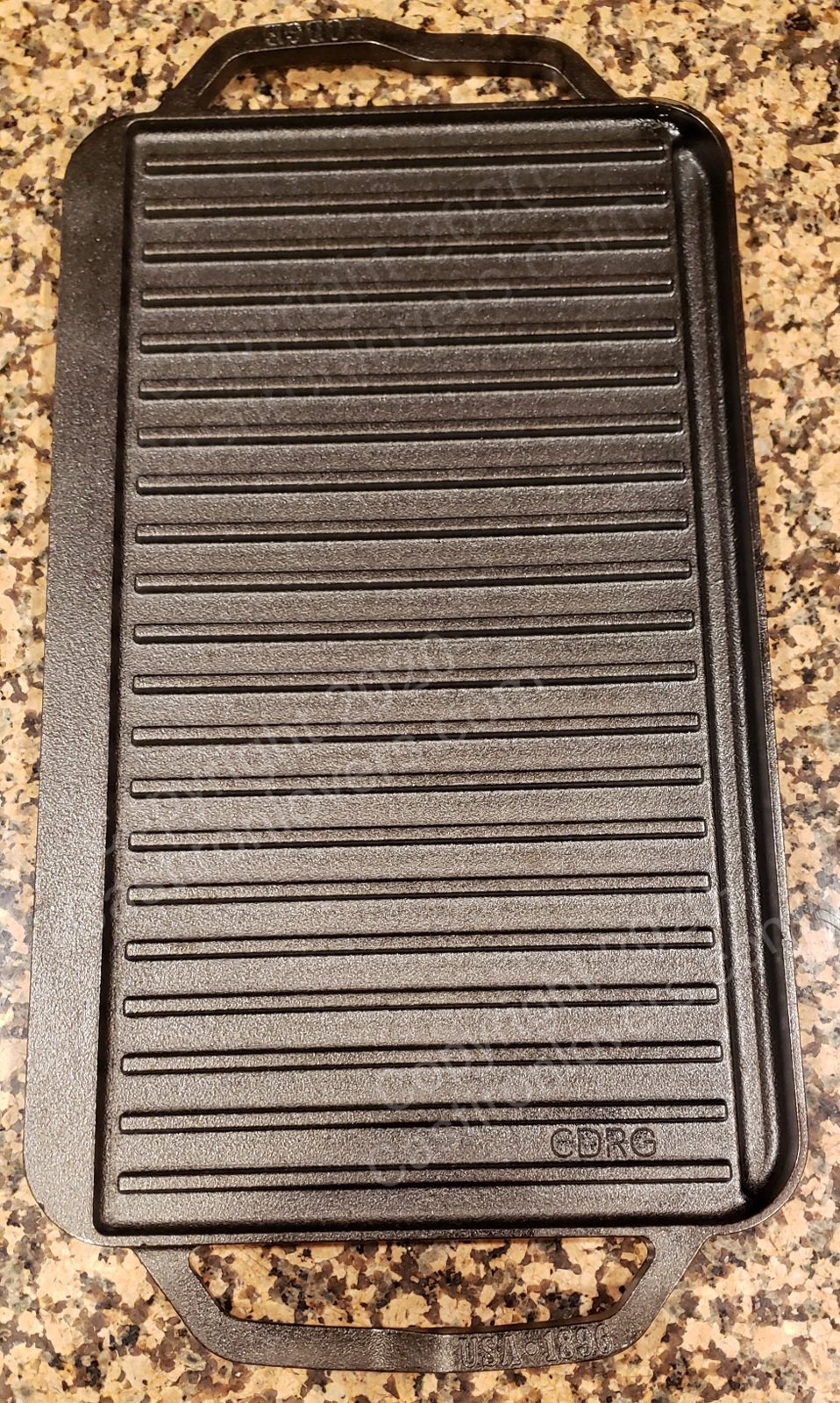
One of the most popular types is the traditional cast iron grill, often designed in the form of a rectangular or square grill pan. This type typically features raised ridges, allowing for those desirable grill marks on meats and vegetables. Traditional models are renowned for their ability to retain heat, ensuring uniform cooking. They are well-suited for stovetop use or can be placed in the oven, making them versatile for any cooking method.
Another notable variant is the cast iron griddle pan. Unlike standard grill pans, griddles generally have a flat surface with slight raised edges. This design is ideal for tasks such as frying eggs, pancakes, or cooking sandwiches, expanding the functionality beyond grilling. Griddle pans excel at even heat distribution and are often sought for indoor cooking, especially in kitchens where an outdoor grill may not be an option.
Additionally, hybrid cast iron grills combine the features of both traditional grills and griddles, offering multifunctionality. These options may include reversible designs, allowing users to switch between grilling and griddling surfaces depending on their cooking needs. They are perfect for those seeking versatility, as they can easily adapt to a wide range of recipes.
In summary, understanding the different types of cast iron grills—traditional grills, griddle pans, and hybrid options—can significantly enhance your grilling experience. By recognizing the unique benefits and characteristics of each grill type, you can select the right model that meets your culinary aspirations and grilling style.
Key Features to Look for in Cast Iron Grills
When selecting a cast iron grill, several key features should significantly influence your decision. One of the primary considerations is the size of the grill. The appropriate size depends on your cooking needs and the space available for storage or outdoor use. A larger grill provides more cooking surface area, allowing for multiple dishes to be prepared simultaneously, making it ideal for larger families or gatherings. Conversely, compact grills are better suited for small kitchens or patios.
Weight is another critical factor to consider. While heavier grills often provide better heat retention and even cooking, they can also be cumbersome to move or transport. For individuals seeking portability, a lighter grill may be more favorable, provided it still meets performance expectations. This balance between weight and functionality can greatly affect the grilling experience.
The cooking surface area is crucial for achieving optimal results. A larger cooking area permits the grilling of various foods at once, which is beneficial when preparing meals for several guests. It is also important to consider the grill’s design and material quality, as these aspects directly affect heat distribution and food flavor. Furthermore, built-in accessories such as thermometers, side shelves, and hooks enhance convenience and usability, streamlining the grilling process.
Compatibility with various heat sources is another essential feature to evaluate. Ensure that the grill can perform efficiently whether you plan to use charcoal, gas, or even induction heat sources. Such versatility allows for a broader range of cooking techniques, enabling you to experiment with different flavors and styles. By assessing these key features, you can prioritize your needs based on your personal cooking habits and preferences, leading to a more satisfying grilling experience.
Size Matters: Choosing the Right Grill Dimensions
Selecting the appropriate size for a cast iron grill is crucial to meet your culinary needs effectively. The dimensions of a grill play a significant role in its functionality, particularly in relation to the number of people for whom you typically cook. A grill designed for a small family or intimate gatherings may range from 200 to 400 square inches of cooking surface, which is generally adequate for preparing meals for four to six individuals. In contrast, if you often host larger social events or family reunions, opting for a grill with a cooking area exceeding 600 square inches may be more beneficial.
Furthermore, understanding the layout and configuration of your cooking area can greatly enhance your grilling experience. If space is a limiting factor, consider the footprint of the grill and whether it can fit comfortably within your outdoor space. Portable models are available for those who prioritize mobility and storage. For instance, compact grills that feature folding legs or wheels are ideal for individuals who wish to transport their grill to various locations, such as picnics or camping outings.
When evaluating your cast iron grill options, consider not just the immediate needs but also future usage. A grill that accommodates your current requirements can avoid the inconvenience of needing an upgrade later. For example, if you envision larger gatherings becoming a regular occurrence, investing in a larger grill may be a wise decision. Additionally, factor in other design elements such as additional side burners or shelves that can enhance your grilling capability without increasing the main cooking surface. Making an informed decision about the right size ensures that your cast iron grill serves you well for years, adapting to your cooking habits as they evolve.
Cost vs. Quality: Finding the Best Value
When selecting a cast iron grill, understanding the relationship between cost and quality is essential for making an informed decision. Cast iron grills vary significantly in price, influenced by factors such as brand reputation, material quality, and features. It is crucial to evaluate these components to determine the best value for your budget.
Initially, consider your budget and how much you are willing to spend on a cast iron grill. It is tempting to go for lower-priced options; however, these may sacrifice quality. Cheaper grills can often be made from inferior materials that may not withstand high heat or resist rusting, compromising their durability and performance. Investing in a higher-quality cast iron grill typically ensures a longer lifespan, better heat retention, and a more evenly cooked meal, which ultimately enhances your cooking experience.
To find a balance between cost and quality, it is advisable to conduct thorough research on different brands and models. Look for reviews from customers who have purchased and used these grills to gauge their performance and longevity. Additionally, consider the warranty offered by the manufacturer; a longer warranty can be an indicator of their confidence in the product’s durability and can provide peace of mind for your investment.
Furthermore, keep in mind that the best cast iron grill is not always the most expensive one. Some lesser-known brands offer quality products at reasonable prices. By evaluating the performance, material, and customer feedback, you can uncover budget-friendly options that do not compromise quality. Seeking out sales and discounts can also help in securing a high-quality grill within your selected price range.
In conclusion, the key to finding the best value in cast iron grills lies in balancing cost with quality. By investing time in research and careful consideration, you can achieve a satisfying purchase that meets your grilling needs while remaining within your budget.
Maintenance Tips for Cast Iron Grills
Proper maintenance is crucial for extending the lifespan of a cast iron grill and ensuring optimal performance. One of the fundamental practices is seasoning. This process involves applying a thin layer of cooking oil to the grill grates and heating them, creating a protective non-stick surface. Regular seasoning not only enhances the cooking experience but also prevents rust formation. It is advisable to season the grill after significant uses, especially if it has been exposed to moisture.
Cleaning your cast iron grill should be approached with caution. After grilling, allow the grill to cool slightly, then use a stiff brush to remove food debris. Avoid using soap, which can strip the seasoning. Instead, hot water can be used alongside a brush to help dislodge stuck particles. For tougher residue, you might consider using coarse salt as an abrasive. Once clean, dry the grill thoroughly with a cloth or by placing it on low heat, as moisture is a primary cause of rust.
Storage is another significant aspect of maintenance. When not in use, it is essential to store the grill in a dry place, preferably with a cover to restrict exposure to moisture and harsh elements. If you are storing the grill for an extended period, consider reapplying a light layer of oil to safeguard against rust. Additionally, if rust does occur, it can often be addressed by scrubbing the affected area with steel wool and reseasoning afterward.
By following these maintenance tips—seasoning, proper cleaning, secure storage, and addressing rust issues—you can effectively extend the life of your cast iron grill, ensuring that it remains a reliable cooking tool for many years. Implementing these practices not only enhances the functionality of your grill but also upholds its quality.
Popular Brands and Models of Cast Iron Grills
Cast iron grills have gained immense popularity for their durability and excellent heat retention properties, making them a preferred choice among grilling enthusiasts. Several brands have stood out in the market, offering a diverse range of cast iron grills tailored to different grilling needs.
Weber is one of the most recognized names in the grilling world. Their cast iron grills, particularly the Weber Original Kettle series, are praised for their exceptional build quality and heat distribution. Customers often commend these grills for their longevity and ease of use, which makes them suitable for both novice and experienced grillers. The addition of features like a built-in thermometer enhances usability during cooking.
Another reputable brand is Lodge, known for its high-quality cast iron cookware. Lodge’s Sportsman’s Grill is a portable option with excellent reviews, making it an ideal choice for camping or tailgating. Customers appreciate the grill’s compact nature, while still delivering the robust performance typical of cast iron. Its versatility allows users to use charcoal or wood, catering to various cooking preferences.
Char-Broil also offers cast iron grates for its line of gas grills, allowing for enhanced sear marks and flavor that cast iron provides. Their grills come equipped with modern features like side burners and built-in lights. Customers have highlighted the Char-Broil’s infusion of technology with traditional grilling, making it a practical choice for those who appreciate both convenience and the classic grill experience.
Lastly, Cuisinart presents a unique twist with its cast iron grill that features integrated cooking surfaces for direct or indirect grilling options. Consumer feedback often points to its lightweight design combined with the ability to deliver outstanding grilled food quality. The design flexibility makes it fitting for various cooking styles while maintaining the benefits of cast iron.
User Experiences: Real Reviews and Testimonials
When it comes to selecting the best cast iron grills, user experiences play a significant role in shaping potential buyers’ decisions. Many individuals who have invested in cast iron grills report a notable difference in their cooking performance compared to other types of grills. One common praise centers around the ability of cast iron to retain and distribute heat evenly, which leads to perfectly cooked meats, vegetables, and even delicate foods like fish. Reviewers often highlight their satisfaction when using cast iron grills for searing steaks and achieving the desired crust, thanks to the high heat retention properties of the material.
Moreover, ease of use is another aspect frequently mentioned in testimonials. Users often appreciate the simplicity of the cooking process, as cast iron grills typically come with straightforward controls that allow for easy temperature adjustments. Many find that these grills heat up quickly, enabling them to get cooking faster. Additionally, the functionality of cast iron in both grilling and baking, such as in the preparation of cornbread or pizza, has garnered numerous positive comments, reflecting its versatility in the kitchen.
However, user reviews also acknowledge some maintenance challenges associated with cast iron grills. Many existing users recommend regular seasoning to preserve the grill’s non-stick surface and prevent rust. Despite this upkeep, the benefits of flavor enhancement through the natural oils absorbed by the cast iron are frequently celebrated. Overall, feedback from users indicates a strong appreciation for the durability and performance of cast iron grills, making them a favored choice for avid grillers looking to elevate their outdoor cooking experience.
Conclusion
Choosing the right cast iron grill is an essential decision for any grilling enthusiast. Throughout this discussion, we have explored various factors that contribute to selecting the best grill to suit individual needs and preferences. Understanding these elements ensures that you make an informed decision, enhancing your grilling experience.
First and foremost, consider the size of the grill. The dimensions should align with your cooking habits and the number of people you typically serve. A larger grill offers more cooking space, which can be beneficial for gatherings, while a compact model is ideal for those with limited outdoor space. Additionally, the weight of the cast iron is a significant factor, as it affects portability and the ease of use. Some consumers may prefer a heavier grill for its durability, while others may prioritize a lighter option for ease of maneuverability.
Furthermore, the type of cast iron finish is crucial. Seasoned cast iron offers non-stick properties, while enameled options provide a colourful aesthetic and easy cleaning. Each type has distinct advantages, and understanding these will help you to meet your cooking style requirements. Don’t forget to consider the price range, as high-quality cast iron grills can vary widely in cost. Establish a budget early in the selection process to streamline your options.
Finally, reading customer reviews and product comparisons can provide valuable insights into performance and reliability. By analyzing the experiences of other users, you can gauge whether a particular model meets your expectations. In conclusion, weighing all these factors will lead you to select a cast iron grill that complements your culinary lifestyle, allowing you to enjoy delicious grilled meals for years to come.