
Reviving Rusty Cast Iron Pans: The Ultimate Restoration Guide
Understanding Cast Iron Pans
Cast iron pans, known for their unparalleled ability to retain heat and even cooking, hold a prominent place in culinary history. Dating back to ancient China around 220 AD, cast iron cookware has evolved significantly, becoming a staple in kitchens worldwide. Their robust construction and versatility make them ideal for the stovetop, oven, and even open flame cooking. As a result, cast iron pans not only serve as functional kitchen tools but also as heirlooms passed down through generations.
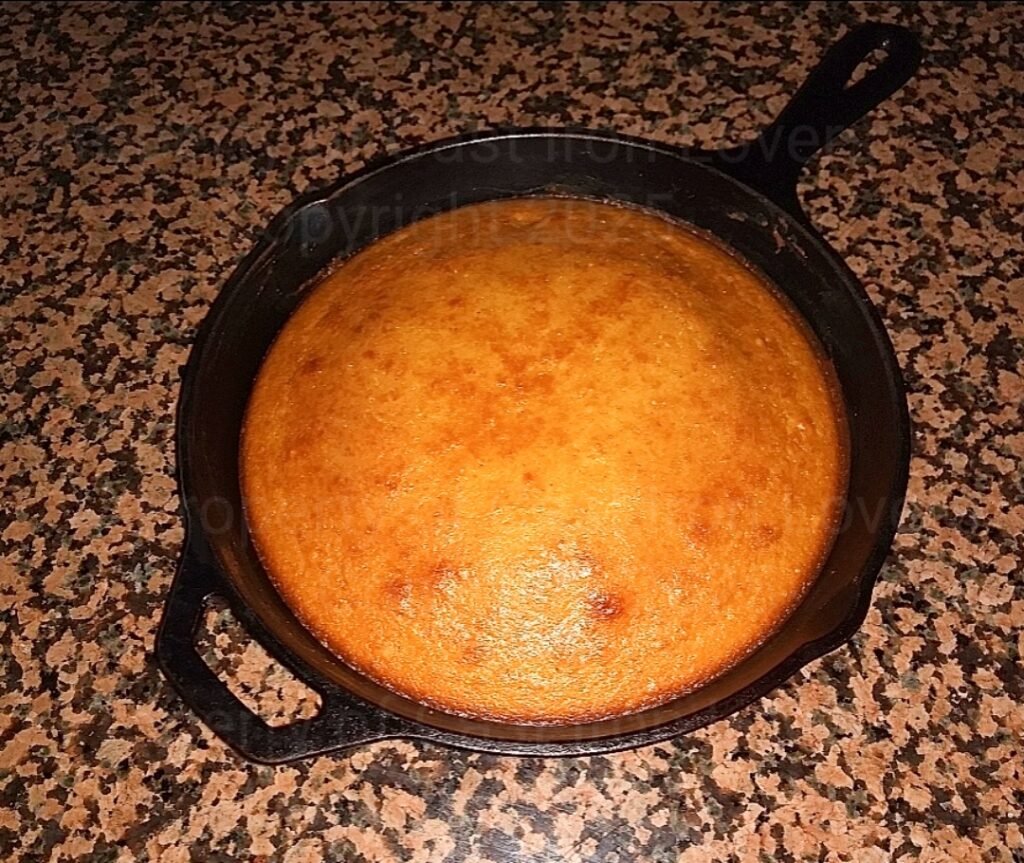
The benefits of using cast iron pans are substantial. They can achieve high temperatures, making them perfect for searing meats and achieving a beautiful crust on various dishes. Moreover, cast iron cookware boasts non-stick qualities when seasoned properly, which means less reliance on modern chemical alternatives. Additionally, they provide a source of dietary iron through cooking, enhancing the nutritional profile of meals.
Despite these advantages, cast iron pans are prone to rusting, particularly when they are not adequately maintained. This rusting is primarily due to the iron reacting with moisture and air, leading to corrosion. Understanding the material properties of cast iron is vital; it is inherently porous, which means that if not seasoned correctly, moisture can penetrate the surface and accelerate the rusting process. This necessitates steps to ensure the longevity of the cookware through proper cleaning, drying, and seasoning techniques.
Durability is a hallmark of cast iron, with many pans lasting a lifetime and beyond if maintained properly. The thick construction of cast iron allows it to endure high heat and occasional harsh treatment. However, regular upkeep is essential to preserve its non-stick surface and to prevent rust from forming. Owners of cast iron pans must understand the significance of taking care of their cookware to ensure their culinary performance continues for years to come.
Identifying Rust Damage
Assessing the extent of rust damage on a cast iron pan is an essential step in determining the necessary restoration approach. Initially, it is important to visually inspect the pan. Superficial rust typically presents as a light, reddish-brown coating on the surface. This form of rust is often easily removable with simple cleaning methods, such as scrubbing with steel wool or a scouring pad combined with a mild soap solution. If the rust is superficial, the pan usually remains structurally sound and can be restored effectively with minimal effort.
In contrast, deep corrosion is characterized by a more intense, darker rust that has penetrated the iron. This condition may present itself with signs of pitting, which are small holes or depressions in the surface of the pan. When assessing for deep corrosion, it is crucial to run your fingers over the affected areas; if you feel rough patches or flaking, it indicates that the damage is more severe and may require more intensive restoration techniques.
Another sign to watch for is flaking, which occurs when layers of the iron begin to detach. Flaking can compromise the integrity of the cookware, making it essential to address this issue promptly. If your cast iron pan exhibits significant flaking or pitting, it might necessitate a complete re-seasoning process or, in extreme cases, replacement. It is advisable to weigh the restoration options based on the severity of rust damage noted during the inspection.
Ultimately, identifying rust damage accurately is vital for developing an appropriate restoration strategy. By assessing the type and severity of damage—superficial, deep corrosion, pitting, or flaking—owners can ensure that their cast iron cookware is revitalized and continues to serve faithfully for years to come.
Tools and Materials Needed for Restoration
Restoring rusty cast iron pans requires a selection of specific tools and materials designed to effectively remove rust, clean, and season the cookware. Understanding these essentials is crucial for a successful restoration project.
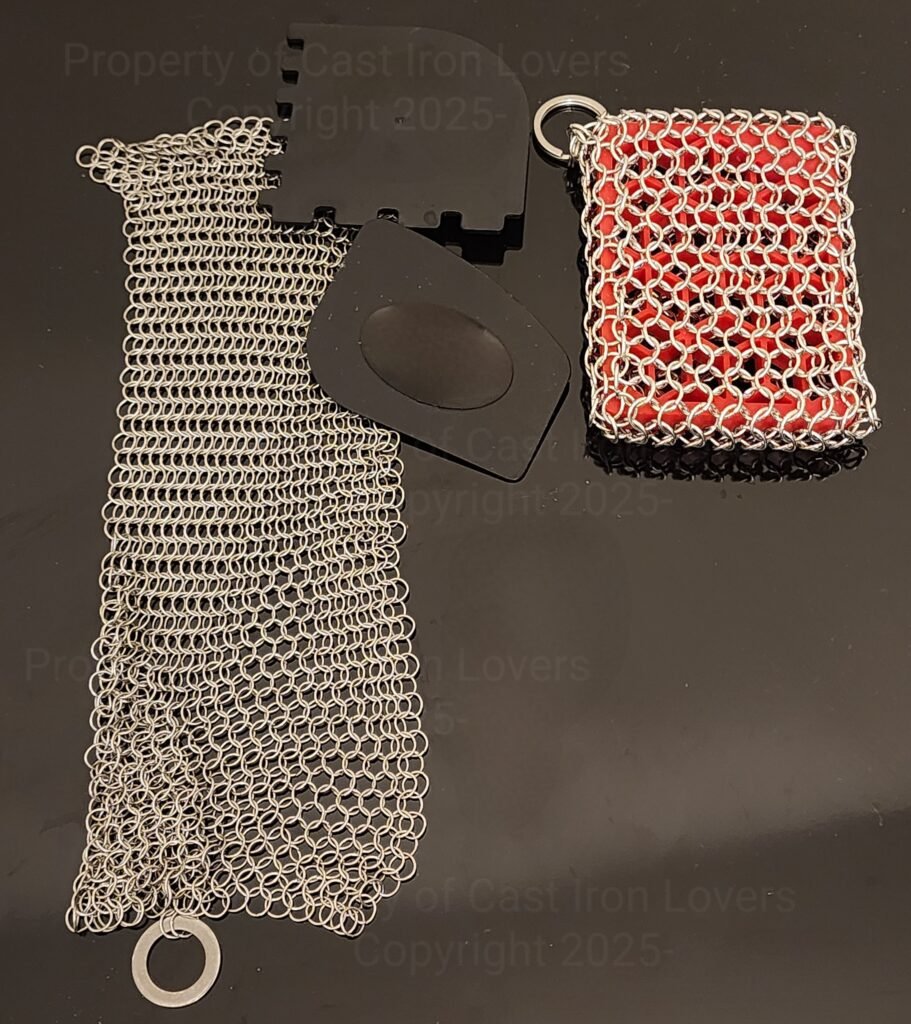
First and foremost, a good set of scrapers is necessary. These tools assist in removing any flaking rust and built-up residue. Scrapers made from plastic or wood are advisable to prevent damage to the cast iron’s surface. Additionally, a range of steel wool pads, available in different grades, can be instrumental in tackling tougher rust spots. Using finer grades allows for a more polished finish while avoiding excessive scratching.
Vinegar and salt are two effective agents for rust removal. A solution of equal parts vinegar and water creates an acidic environment that helps to dissolve rust. When combined with salt, the abrasiveness can improve the cleaning process. Baking soda, on the other hand, can be used for its mild abrasive qualities. It also neutralizes the acidity of the vinegar, making it an excellent choice for post-rust removal cleaning.
Oils are essential for seasoning the cast iron once the rust has been successfully removed. Flaxseed oil, grapeseed oil, and vegetable oil are popular options, each offering different smoke points and flavor profiles. When selecting an oil, consider the type of cooking you do most frequently, as this will affect your pan’s seasoning longevity.
Most of these tools and materials can be conveniently found at hardware stores, supermarkets, or online retail platforms. For specialized items like flaxseed oil, health food stores or online specialty shops may provide specific brands that are particularly suited for cast iron restoration. Selecting the right products will simplify the restoration process and enhance the utility and aesthetics of your cast iron pans.
Safe Cleaning Techniques
Cleaning rusted cast iron pans requires careful consideration to avoid further damage while effectively restoring the cookware. Two primary methods often come into play: abrasive cleaning and chemical solutions. Each method has its benefits and drawbacks, which should be understood before proceeding.
For abrasive cleaning, materials such as coarse salt, baking soda, or a chainmail scrubber can be effective. These options allow for the removal of rust without overly aggressive scrubbing that might damage the pan’s surface. Begin by sprinkling a generous amount of coarse salt onto the rusted areas of the pan. Then, use a damp cloth or sponge to scrub the rust away gently, applying enough pressure to remove the loose particles without scratching the cast iron. Rinse the pan thoroughly with hot water and dry it completely to prevent further rust formation.
On the other hand, chemical solutions such as vinegar and baking soda or commercial rust removers can also be used, though one must exercise caution. For instance, mixing equal parts of vinegar and water can create a soaking solution. Submerge the pan in this mixture for no more than one hour, as prolonged exposure may erode the seasoning layer. After soaking, scrub with a soft sponge to remove detached rust. It is crucial to rinse and dry the pan immediately after, as moisture can lead to further oxidation.
Regardless of the method chosen, it is important to avoid using steel wool or harsh chemicals that can significantly damage the cast iron surface. After cleaning, always re-season the pan to protect it from future rusting and maintain its non-stick quality. Ensuring proper care and maintenance will prolong the life of your cast iron cookware, enabling you to enjoy its benefits for years to come.
Removing Rust: Step-by-Step Guide
Restoring the beauty and functionality of your cast iron pans begins with effectively removing rust. The techniques vary based on the severity of the rust present, from light surface markings to heavier, more ingrained corrosion. Following these steps will help ensure the integrity of your cookware throughout the restoration process.
For light surface rust, you can often tackle the issue using a simple rust eraser or fine-grit sandpaper. Begin by drying the pan thoroughly to prevent additional moisture from contributing to further rusting. Gently rub the rusted areas in a circular motion, being cautious not to damage the seasoned surface of the pan. This method is effective and safe for maintaining the overall quality of the cast iron.
When faced with heavier rust, a more robust method may be required. Start by soaking the pan in a solution of equal parts vinegar and water for up to eight hours. The acidity of the vinegar will help dissolve rust without adversely affecting the metal itself. After soaking, scrub the pan with a non-metallic scrubber, focusing on the problem areas. Rinse thoroughly and dry the pan immediately to prevent new rust from forming.
If the rust persists, consider utilizing a coarse steel wool pad. This method should be reserved for pans with significant corrosion as it can remove some of the seasoning. Work carefully to restore the surface without scratching too deeply. After this thorough cleaning, it is essential to re-season your cast iron pan by applying a thin layer of cooking oil and placing it in an oven upside down at a high temperature for an hour. This not only helps to reseal the metal but also provides an additional protective coating against future rust.
Maintaining vigilance against rust begins with proper cleaning techniques and regular seasoning of your cast iron cookware. Developing a consistent maintenance routine will keep your pans in good condition and ensure their longevity.
Re-seasoning Your Cast Iron Pan
Re-seasoning your cast iron pan after removing rust is a crucial step in preserving its functionality and preventing future deterioration. Seasoning not only creates a non-stick surface but also protects the pan from moisture, which can lead to further rusting. A properly seasoned cast iron skillet enhances cooking performance and ensures that food does not pick up unwanted metallic flavors.
The seasoning process involves applying a thin layer of oil to the pan’s surface. Common oils used for this purpose include flaxseed, grapeseed, and vegetable oils, as they can withstand high temperatures and form a durable coating. Begin by cleaning your pan thoroughly to remove any remnants of rust or debris, then dry it completely to prevent moisture interference. Once dry, pour a small amount of oil into the center of the pan. Using a clean cloth or paper towel, spread the oil evenly across the entire cooking surface and up the sides, making sure to cover all areas.
After oil application, it is essential to heat the pan to facilitate the polymerization process, where the oil bonds to the metal. Place the pan upside down in the oven on the middle rack to allow any excess oil to drip off. It is advisable to put a baking sheet or aluminum foil on the lower rack to catch any drips. Preheat the oven to 450°F (232°C) and heat the pan for one hour. This high-heat method ensures that the oil transforms into a hard, protective coating. Allow the pan to cool gradually within the oven to avoid cracking.
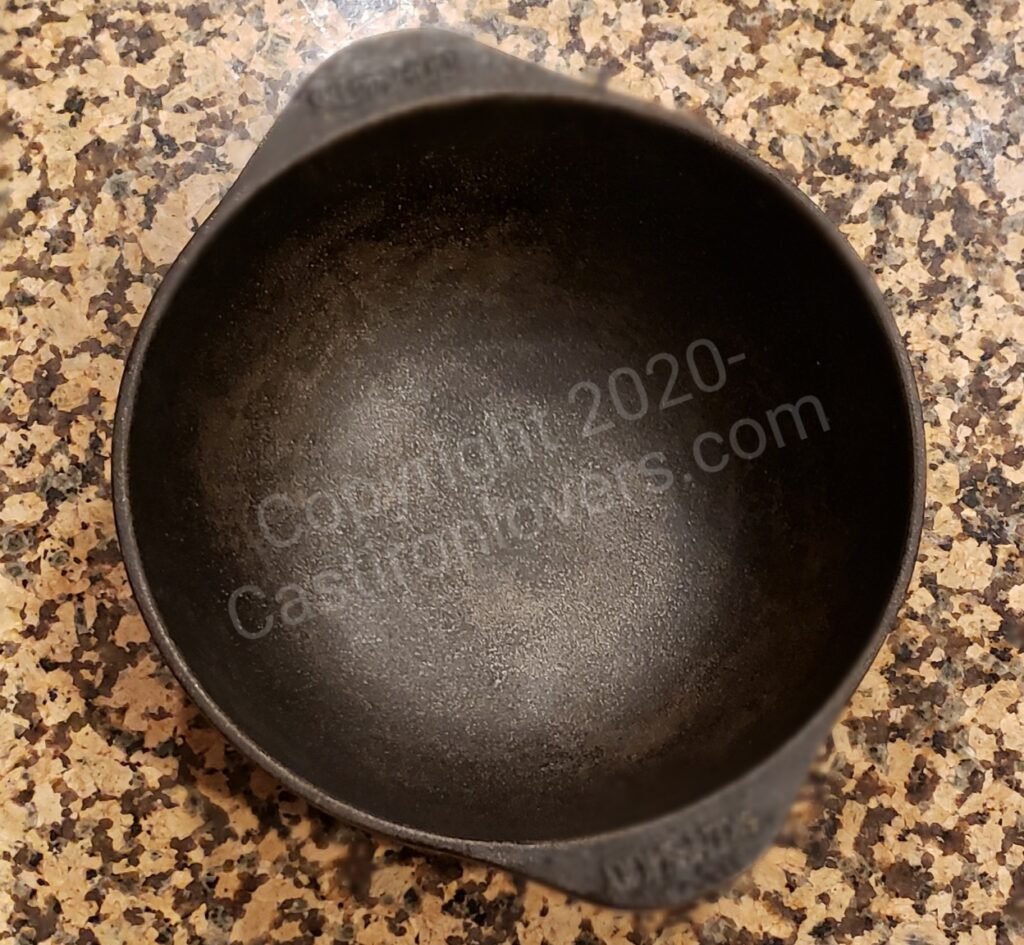
Proper maintenance of the seasoning layer is vital for the longevity of your cast iron skillet. After each use, wash with minimal soap and water, as excessive cleaning can wear down the seasoning. Reapply oil lightly after each wash to preserve the coating. Regular re-seasoning every few months or as needed will keep your cast iron pan in optimal cooking condition and extend its lifespan significantly.
Preventing Future Rust Problems
To ensure the longevity of your cast iron pans and prevent rust from forming in the future, it is crucial to adopt a few simple yet effective maintenance practices. A primary factor in maintaining the integrity of your cast iron cookware is proper drying. After each cleaning, it is vital to thoroughly dry the pan immediately. Leaving moisture on the surface creates the perfect environment for rust development. Utilizing a heat source, such as placing the pan on a stovetop over low heat for a few minutes, can ensure that all moisture evaporates completely.
Storage techniques play a significant role in protecting your cast iron pans. When stacking pans, it is advisable to place a paper towel, cloth, or even a clean kitchen towel between them. This barrier aids in absorbing any residual moisture and prevents scratches or damage to the seasoning. Moreover, storing cast iron cookware in a dry area, away from humidity, will greatly reduce the risk of rust formation. If possible, keeping them in a cupboard or cabinet also limits exposure to elements that may induce rust.
When it comes to usage, applying a thin layer of oil—such as vegetable or flaxseed oil—after cooking will help maintain the seasoning and create a protective coating. Additionally, regularly seasoning your cast iron pans is essential for preserving their surface and improving their resistance to rust. A routine seasoning every few months, depending on usage, can significantly extend the life of your cookware.
Lastly, incorporating these regular maintenance routines can greatly mitigate the risk of rust forming. With proper drying practices, thoughtful storage, careful usage, and a consistent seasoning regimen, your cast iron pans can remain in excellent condition for generations to come. By observing these guidelines, you can enjoy the benefits of cast iron cooking without the worry of rust-related issues.
Common Myths About Cast Iron Restoration
Cast iron cookware has garnered a significant following among culinary enthusiasts and home cooks alike, yet several myths surrounding its restoration can lead to misconceptions and mismanagement. One prevalent myth is that soap cannot be used on cast iron pans. While traditional advice suggests avoiding soap to preserve seasoning, modern dish soaps are typically milder and can be used sparingly without damaging the pan’s surface. The primary principle is to wash the pan promptly after use and thoroughly dry it. Overzealous use of soap may strip away some seasoning, but occasional gentle washing is acceptable.
Another common misconception involves the necessity for constant seasoning. Many assume that cast iron pans require frequent re-seasoning to maintain their non-stick surface. However, this is not always the case. A well-seasoned pan can last for years without needing extensive re-seasoning, as long as it is properly maintained and kept dry after cleaning. Over-seasoning can actually create a sticky residue, frustrating the cooking experience rather than enhancing it.
Some users are also concerned about the existing layers of seasoning, believing that they can simply be stripped away completely during the restoration process. While it is true that a badly rusted or damaged pan may require complete seasoning removal, in most cases, it is possible to restore the cast iron’s surface while preserving some of the existing seasoning. Light rust or minor scratches can be remedied through techniques like seasoning over the top of the old layer or using a gentle scrubbing tool to rejuvenate the pan without starting from scratch.
By understanding these myths, home cooks can approach their cast iron restoration efforts with confidence and the right knowledge, ultimately prolonging the life and performance of their beloved cookware.
Conclusion: Embracing the Longevity of Cast Iron
Cast iron pans have long been revered for their durability and incredible natural non-stick properties. With proper maintenance and care, these kitchen essentials can last for generations, often becoming cherished family heirlooms. The process of restoring rusty cast iron not only revives its functionality but also enhances its aesthetic appeal, making it a rewarding project for any culinary enthusiast.
Embracing the art of rust restoration can transform a seemingly unusable pan back into a reliable kitchen companion. The steps involved — from cleaning to seasoning — are straightforward and can be accomplished with minimal tools. Engaging in this process not only allows individuals to reclaim their cast iron cookware but also fosters an appreciation for the craftsmanship and history behind these iconic kitchen tools. Each restored pan tells a story, reflecting both the care it has received and the culinary delights it has been a part of throughout its lifespan.
Moreover, maintaining cast iron cookware is an ongoing journey that encourages users to develop a deeper connection with their kitchen tools. The simple actions of regular seasoning and proper cleaning practices ensure that these pans remain functional and beautiful over time. As you revive your rusty cast iron, remember the importance of nurturing it, as the rewards are not only in the refined cooking experience but also in the longevity it guarantees. In an age where disposable kitchen items dominate, investing time and effort into restoring and preserving cast iron pans is a practice that deserves recognition and celebration.
In conclusion, whether you are a seasoned cook or a newcomer to culinary adventures, the revival of rusty cast iron pans can be a transformative experience. By embracing restoration, you unlock the potential for culinary creativity while contributing to a sustainable kitchen culture. Your effort in maintaining these valuable pieces will surely pay off in flavorful meals and enriched cooking experiences.